Four-wheel drives open up campsites that ordinary cars can't reach, from beach camps to remote desert and gorge country. A good touring setup lets you stay longer and more comfortably, but every extra item adds weight, cost and complexity. The best setups are often simpler than you expect.
This section explains the key camping and touring systems: shelter, refrigeration, lighting and water.
Shelter
Awning, tent or swag
Fast setup matters
12V
Fridge and lights
Powered by an auxiliary battery
Water
Plan with a reserve
Remote areas have few sources
Guides in this section
- Awnings and rooftop tents: types, roof load ratings, setup and weather.
- Fridges and fridge slides: compressor fridges, power use, slides and food safety.
- Camp lighting and torches: head torches, camp lights, insects and battery choices.
- Water and camp showers: storage, treatment, showers and grey water.
Start with how you travel
Before buying gear, think about your trips. Do you set up a base camp for a week, or move every day? How many people travel with you? Do you camp in caravan parks with facilities, or in remote areas with none? Are you in the tropics, the desert or the cold high country? A family on a two-week beach holiday needs a different setup from a couple crossing the Simpson Desert.
Weight and balance
Weight is the hidden cost of touring gear. Every vehicle has a gross vehicle mass (GVM), the maximum it can weigh fully loaded, as well as axle limits, roof load limits and towing limits. Bull bars, winches, drawers, water, fuel, fridges, batteries and passengers add up quickly, and many touring vehicles run close to or over their limits. Overloading affects braking, handling and component life, and can void insurance.
Keep heavy items low and between the axles, secure everything so it can't move in a crash, and weigh the vehicle when fully loaded. Some vehicles can be upgraded to a higher GVM through approved modifications, usually best done before first registration. Check with your state transport agency.
Power for camping
Most camping electrics, including fridges, lights, water pumps and phone chargers, run on 12 volts from an auxiliary battery that is charged while driving and often by solar panels at camp. Our dual battery systems guide explains how these systems work. Plan your power use: a fridge running all day is usually the largest load.
Cooking
Many tourers cook on portable gas stoves, which work where campfires are banned. LPG cylinders in Australia must be inspected and requalified periodically, so check the test date stamped on the cylinder collar. Use gas appliances outdoors with good ventilation, never inside tents or vehicles, and store cylinders upright and secured.
Campsite etiquette
Arrive with time to set up in daylight. Leave space between your camp and others, keep noise down at night, use toilets where provided or bury human waste well away from water, take all rubbish out, and leave the site cleaner than you found it. Respect cultural sites, fences and gates, and leave gates as you find them on stations.
Bookings and permits
Many popular national park campsites must be booked online in advance, especially in school holidays. Some beaches, parks and Aboriginal lands require vehicle access or transit permits. Check requirements with the relevant park authority or land council before you go.
Packing systems
Drawers, storage boxes and cargo nets keep gear organised and secure. Pack by how often you need things: frequently used items near the doors, recovery gear easy to reach and spares deeper inside. Label boxes, and keep a list so you know what's packed. Use our trip kit planner to check your gear.
Staying healthy
Remote touring adds health risks. Carry a well-stocked first aid kit and know how to use it, including for snake bite, which calls for a pressure immobilisation bandage. Take enough of any regular medicines, plus extra in case of delays. Protect yourself from sun, heat and insects, and know where the nearest medical help is. The Royal Flying Doctor Service provides emergency care in remote areas, and a first aid course is a valuable investment for any tourer.
Wildlife and food
Store food securely so dingoes, possums, goannas and birds can't get to it, and never feed wildlife. On K'gari and in some other parks, strict rules apply to food storage and behaviour around dingoes. Keep a clean camp, and take food scraps out with your rubbish.
Communications
Mobile coverage disappears quickly outside towns. Carry a UHF CB radio for talking with nearby vehicles and campers, and a satellite device or personal locator beacon for emergencies.
Key points
Match your setup to how you travel, keep within your vehicle's weight limits with heavy gear low and secured, plan your power and water, cook safely, follow fire rules, book and get permits where needed, and leave campsites better than you found them.
Guides in this section
Camping and touring
Awnings and rooftop tents
Types of 4WD awnings and rooftop tents, roof load ratings, roof racks, setup in wind and rain, and alternatives such as swags and ground tents.
Read · 5 min
Camping and touring
Fridges and fridge slides
Compressor versus absorption fridges, sizing, power use, fridge slides and tie-downs, and keeping food safe on 4WD camping trips.
Read · 5 min
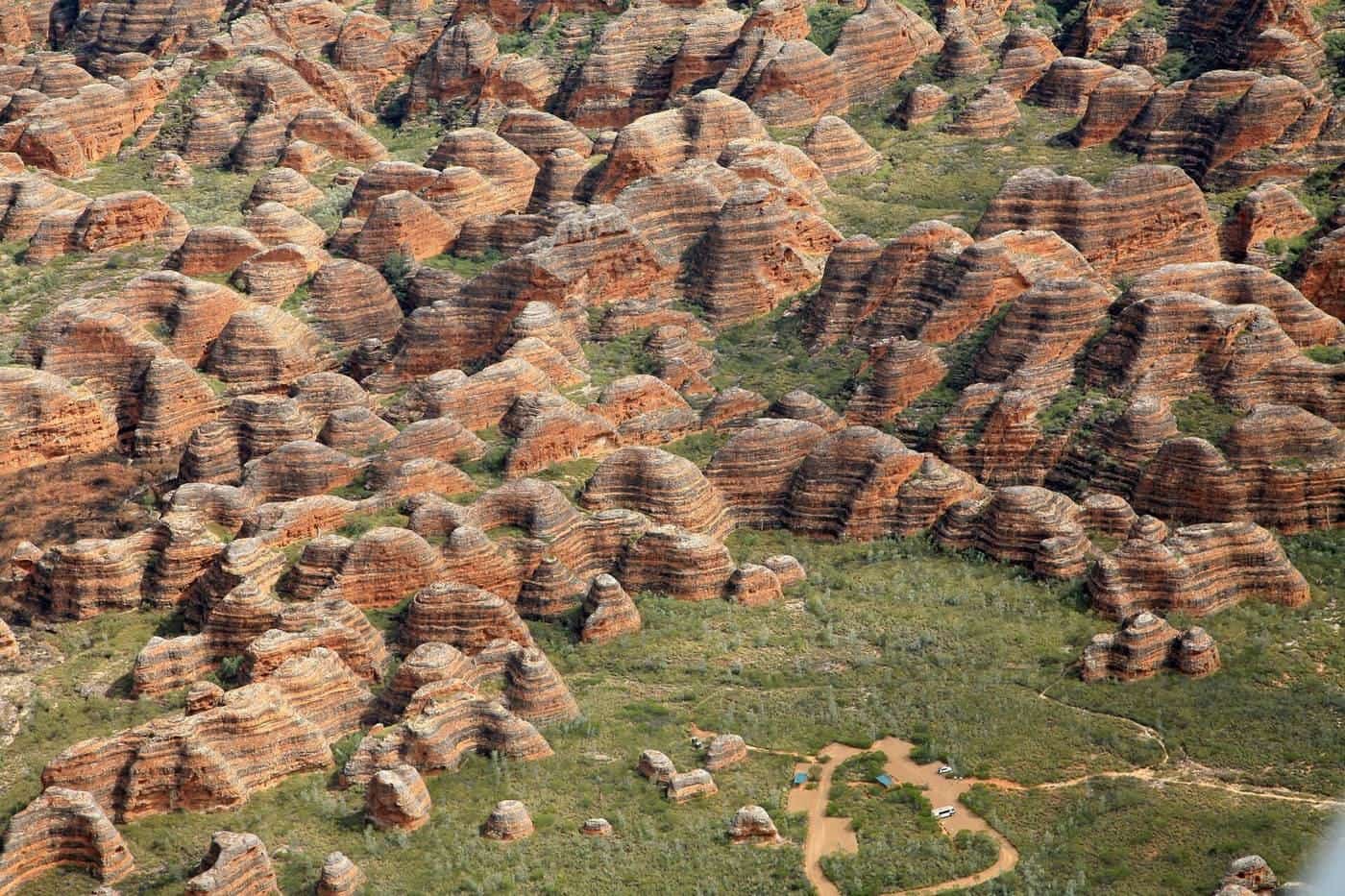
Camping and touring
Camp lighting and torches
Head torches, handheld torches and camp lights for 4WD camping: brightness, colour, insects, batteries, power and lithium battery safety.
Read · 5 min
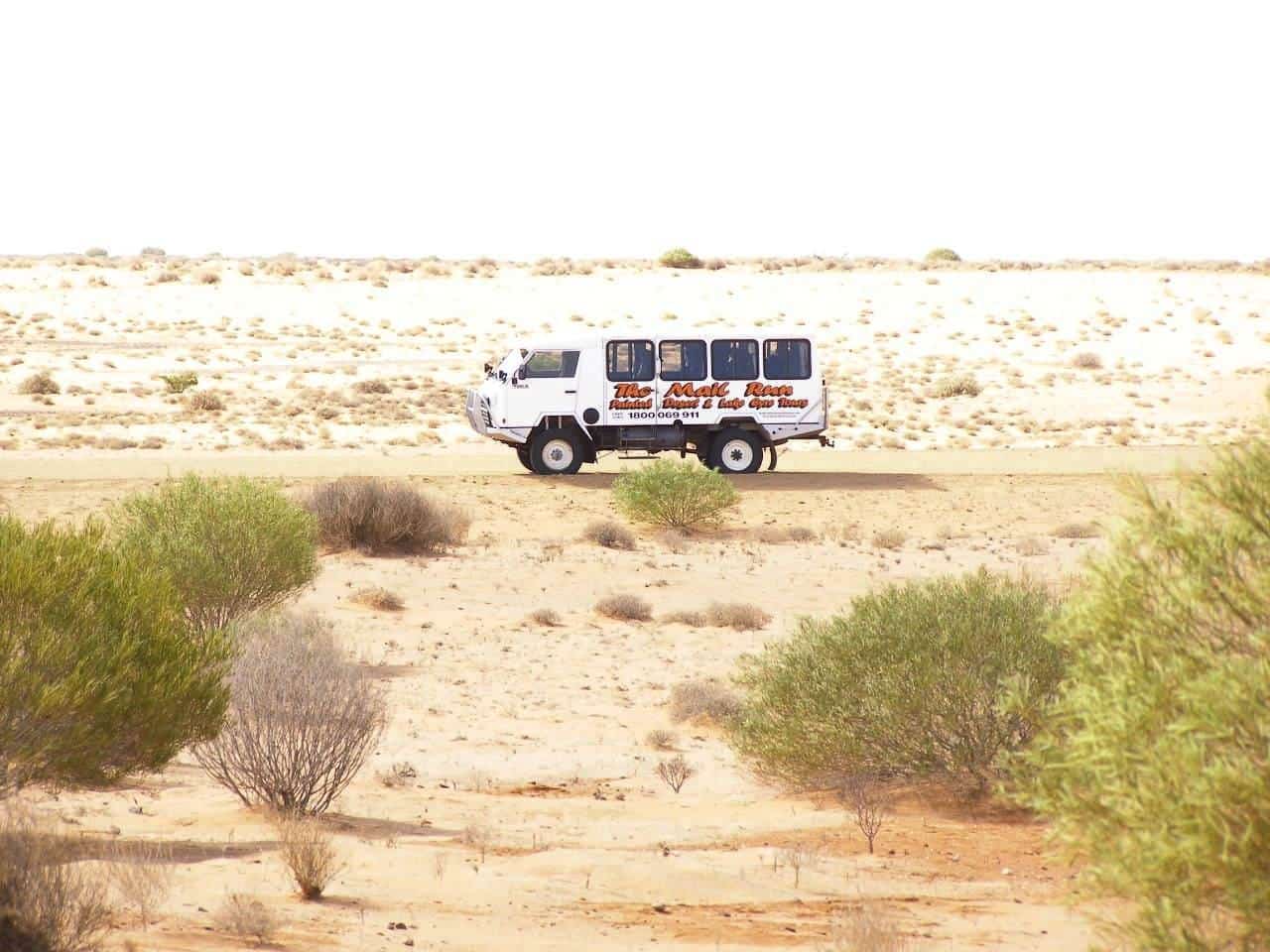
Camping and touring
Water and camp showers
How to plan, carry, treat and use water on 4WD trips, from jerry cans and tanks to filters, pumps, camp showers and grey water.
Read · 5 min
Frequently asked questions
Rooftop tent or ground tent?
Rooftop tents set up quickly and keep you off the ground, but add weight up high and mean packing up to drive anywhere. Ground tents and swags are cheaper and leave the vehicle free. Many tourers choose based on how often they move camp.
Do I need a 12V fridge?
For trips longer than a couple of days, a portable compressor fridge keeps food safe without buying ice, and can run from a vehicle's auxiliary battery or solar.
How much water should I carry?
It depends on climate, activity, cooking and washing, and how far you are from reliable water. Plan generously, carry a reserve and follow park and remote-travel advice for the area. Our trip kit planner multiplies the daily allowance you choose.
Can I have a campfire?
Only where permitted. Many parks restrict or ban fires, and total fire bans apply during high fire danger. Check the park's rules and your state fire authority before lighting any fire.
How do I stay within my vehicle's weight limits?
Weigh your loaded vehicle at a public weighbridge and compare it with the vehicle's GVM, axle and towing limits on the compliance plate and in the owner's manual.