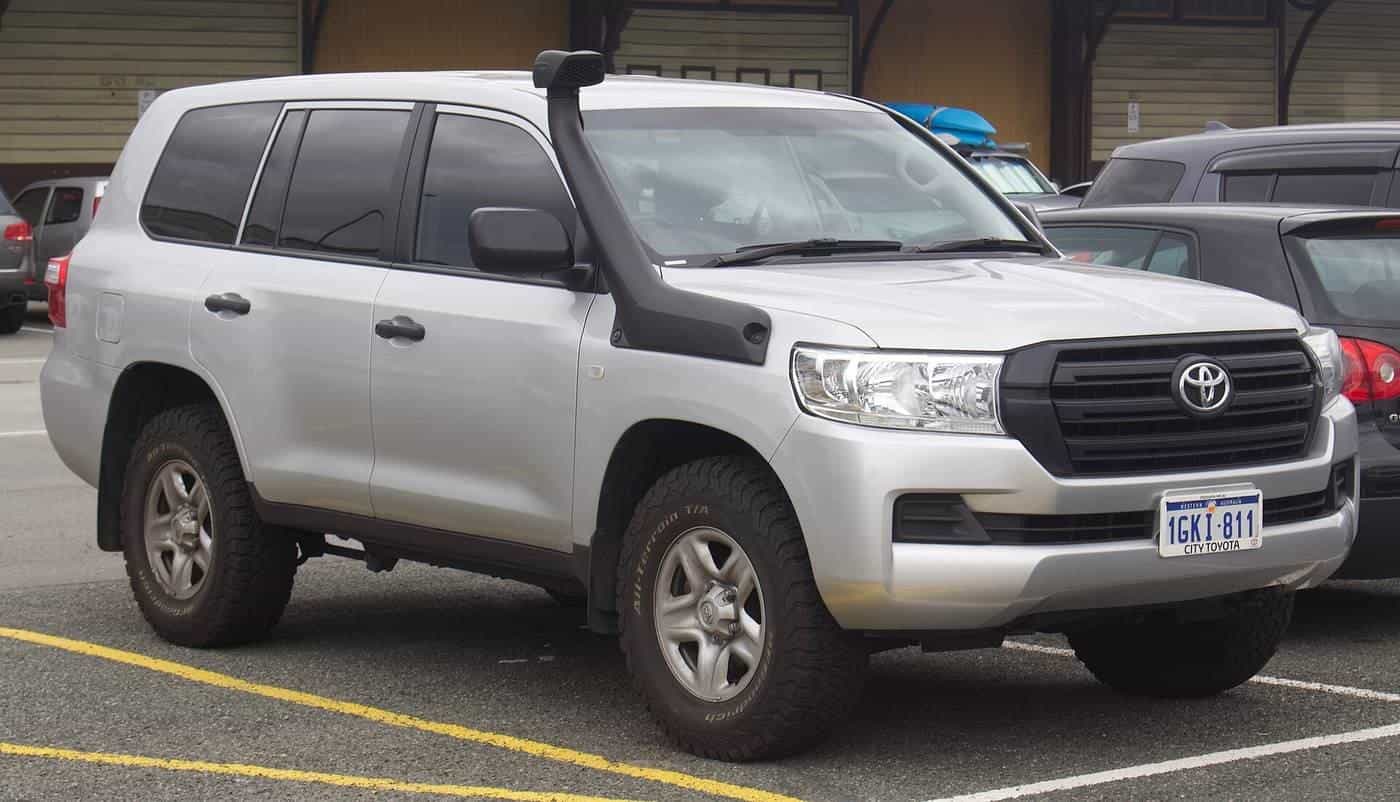
Four-wheel-drive accessories are a huge industry, and it's easy to spend a fortune making a vehicle look tough. The best setups start with how you actually use the vehicle, add only what improves safety, reliability and capability for those trips, and stay within the law and the vehicle's weight limits.
This section explains common upgrades, how they work, their trade-offs and the rules that apply in Australia.
ADRs
Australian Design Rules
National vehicle standards
VSB 14
Modification code
Used by states and territories
Declare
Modifications to insurers
Avoid refused claims
Guides in this section
- Dual battery systems: auxiliary batteries, DC-DC chargers, solar and safe wiring.
- Driving lights and light bars: types of lights, legal requirements and wiring.
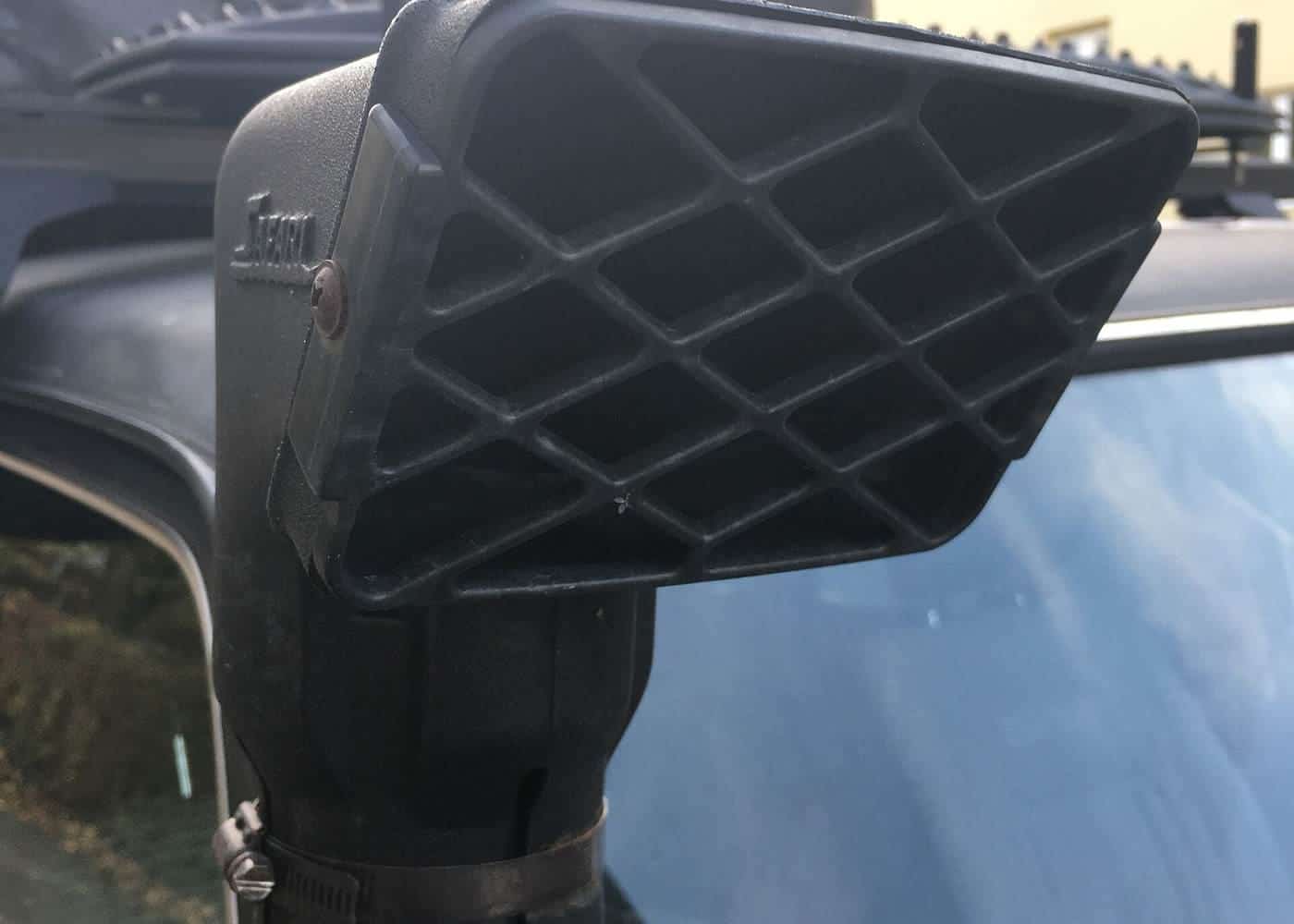
- Snorkels and diff breathers: what they do, limits for water crossings and fitting.
- Suspension lifts and modifications: lift kits, tyres, GVM upgrades and certification.
Prioritising upgrades
A sensible order for many owners is:
- Tyres. Quality all-terrain tyres with stronger sidewalls improve grip and puncture resistance.
- Recovery points and kit. Rated points front and rear, plus a recovery kit.
- Communications. A UHF radio and an emergency beacon or satellite device.
- Power. A dual battery system if you run a fridge or camp off-grid.
- Protection. Bash plates, rock sliders and a bull bar for areas with rough tracks or wildlife.
- Suspension. Upgraded suspension to handle extra weight and rough roads.
- Storage and camping. Drawers, racks, awnings and tents.
The law
Vehicles must comply with the Australian Design Rules (ADRs), national standards for safety and emissions. After a vehicle is registered, modifications are regulated by state and territory transport agencies, which base their rules on VSB 14. Some modifications are allowed without approval within set limits, others need certification by an approved examiner or engineer, and some aren't allowed at all. Rules differ between states, so check with your transport agency before modifying.
Common areas covered include suspension and body lifts, tyre and wheel sizes, bull bars and other front protection, lighting, engine changes, seating and GVM changes.
Weight
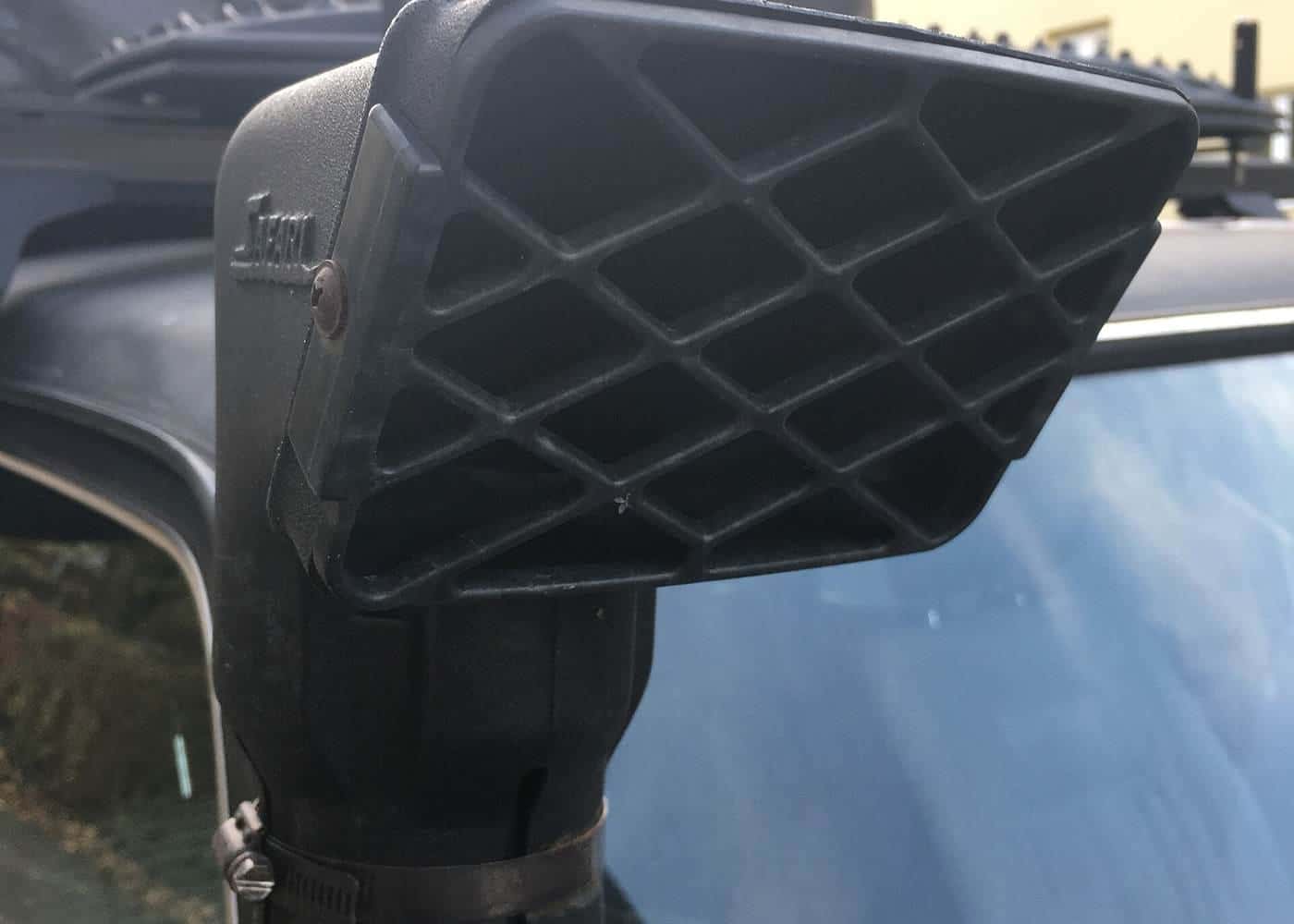
Most accessories are heavy. A steel bull bar, winch, roof rack, long-range fuel tank, water tank, drawers and dual battery system can together add a large share of a vehicle's payload before passengers and luggage. Check your vehicle's GVM and payload, weigh it when loaded and consider lighter alternatives where possible.
Insurance and warranty
Tell your insurer about all modifications. Undisclosed modifications can lead to a claim being refused. Under the Australian Consumer Law, consumer guarantees still apply after accessories are fitted, but faults caused by an aftermarket part or poor installation may not be covered by the vehicle manufacturer.
Choosing installers
Use qualified, reputable fitters, especially for electrical work, suspension and anything affecting safety systems such as airbags and driver-assistance sensors. Ask whether the work will be compliant, whether certification is needed and what warranty applies.
Driver assistance systems
Modern vehicles rely on cameras, radar and sensors for features such as autonomous emergency braking, lane-keeping and adaptive cruise control. Bull bars, light bars, winches, lifts and larger tyres can affect how these systems work. Choose accessories designed and tested for your model, and have sensors recalibrated where the manufacturer requires it.
Servicing
Four-wheel driving is hard on vehicles. Dust, water crossings, corrugations and heavy loads mean more frequent servicing. Follow the severe-use schedule in your owner's manual if one applies, check fluids and air filters after dusty or wet trips, and inspect suspension, steering and driveline parts regularly. Carry basic spares and tools for remote trips.
Fuel range
Remote tracks can mean long distances between fuel stops, and heavy loads, low range and soft sand increase fuel use. Know your vehicle's realistic range when loaded, and carry extra fuel in approved containers or a long-range tank if needed. Secure fuel containers properly and keep them away from the cabin.
Communications equipment
UHF CB radios are the standard way four-wheel drivers talk to each other on tracks and convoys. ACMA sets the rules for CB radio, including emergency channels 5 and 35, which should be used only for emergencies. A fixed in-vehicle radio with a good antenna has much greater range than a handheld. For emergencies beyond radio range, carry a satellite messenger, satellite phone or personal locator beacon, registered with AMSA.
Tyres and wheels first
For many owners, quality tyres make the biggest difference to capability and safety. Choose a load rating and construction that suits your vehicle's weight and the roads you travel, and carry a suitable spare.
Protection
Bash plates protect the sump, transmission and transfer case from rocks. Rock sliders protect sills on rocky tracks and can double as steps. A bull bar helps protect the front of the vehicle from wildlife strikes on country roads, but adds weight to the front axle. Choose protection designed for your model and compatible with its airbags and sensors.
Keeping records
Keep receipts, fitting instructions, certificates and photos for every modification. They help with registration inspections, insurance claims, warranty questions and resale.
Key points
Start with how you use your vehicle, prioritise tyres, recovery points, communications and power, keep within weight limits, check modification rules based on VSB 14 with your state transport agency, use qualified installers and tell your insurer about every modification.
Guides in this section
Vehicle setup
Dual battery systems
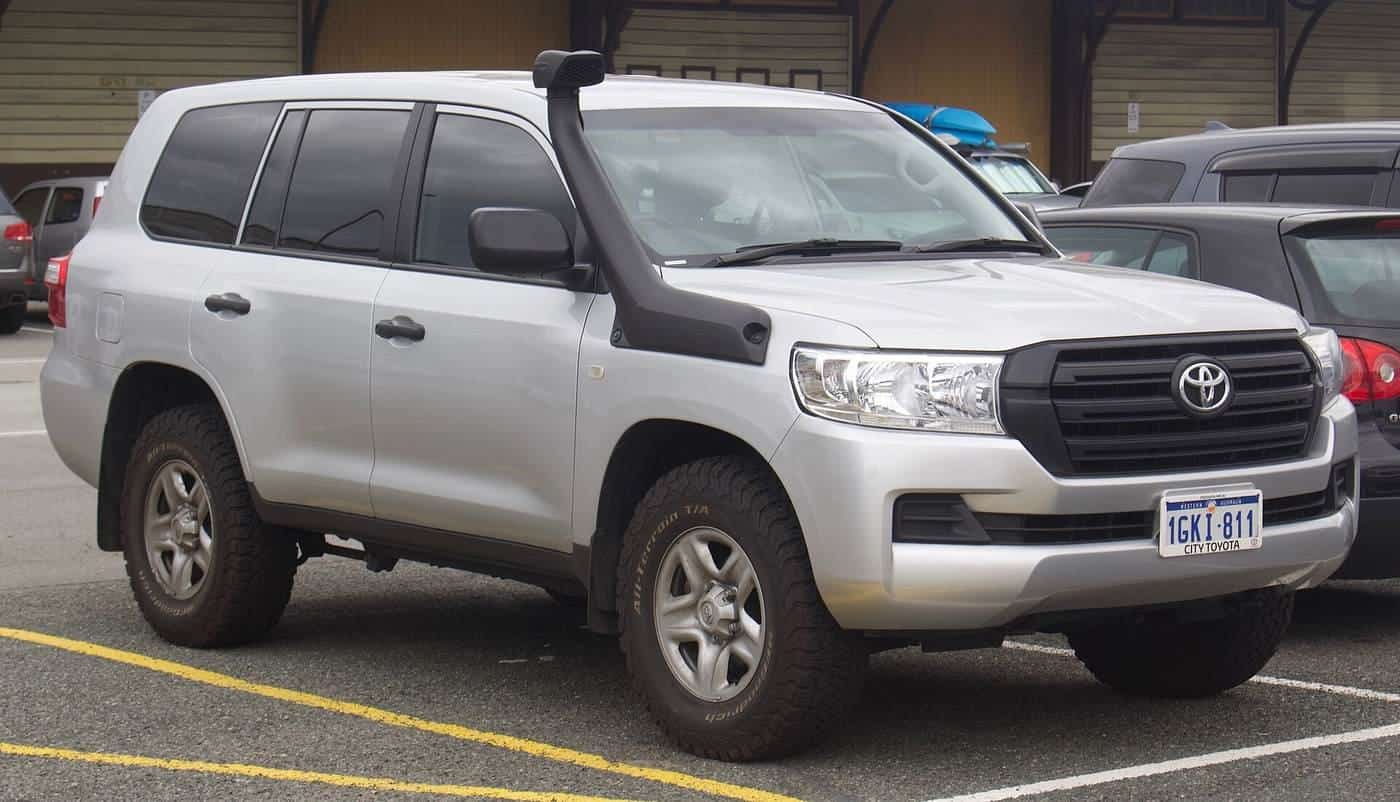
How 4WD dual battery systems work: AGM and lithium batteries, isolators and DC-DC chargers, solar, cabling, fusing and safe installation.
Read · 5 min
Vehicle setup
Driving lights and light bars
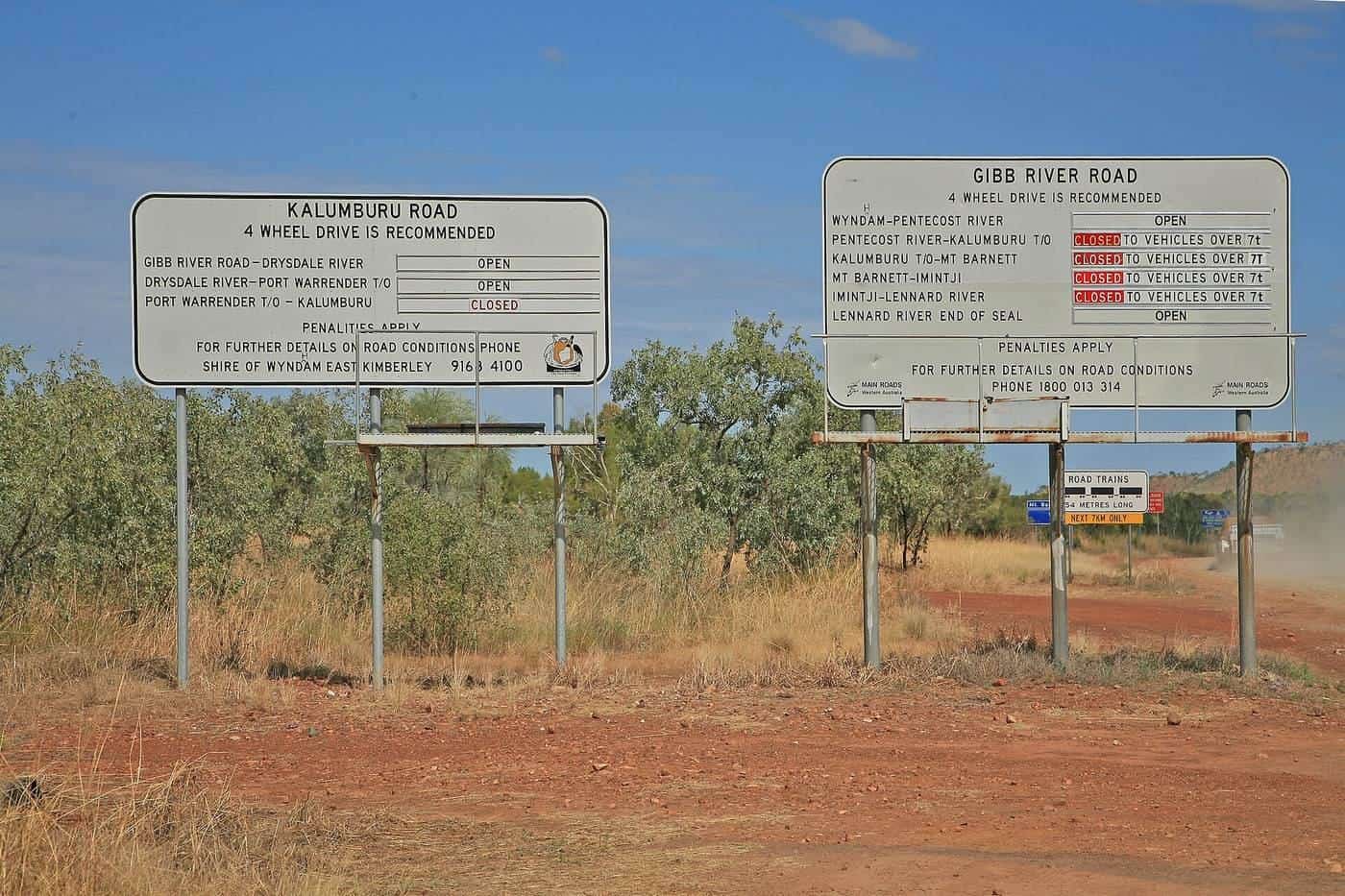
Spot, spread and combination driving lights, LED light bars, wiring and relays, and the Australian road rules and state requirements that apply.
Read · 5 min
Vehicle setup
Snorkels and diff breathers
What 4WD snorkels and diff breathers do, their limits in water crossings, fitting and maintenance, and how to cross water safely.
Read · 5 min
Vehicle setup
Suspension lifts and modifications
Suspension lifts, bigger tyres, GVM upgrades and other 4WD modifications in Australia: benefits, trade-offs, VSB 14, certification and insurance.
Read · 5 min
Frequently asked questions
What are the first upgrades most 4WDs need?
For most owners, good all-terrain tyres, rated recovery points and a basic recovery kit come first. Dual batteries, protection and suspension upgrades follow depending on how and where you travel.
Do modifications affect insurance?
Yes. Insurers generally require you to disclose modifications. Failing to do so can lead to a claim being refused. Check your policy and tell your insurer before or after fitting accessories.
What is VSB 14?
Vehicle Standards Bulletin 14 is the National Code of Practice for Light Vehicle Construction and Modification. State and territory transport agencies use it to set rules on which modifications are allowed and which need certification.
Will accessories affect my warranty?
Consumer guarantees under the Australian Consumer Law still apply, but a manufacturer may refuse a warranty claim for a fault caused by an aftermarket part or poor installation. Use quality parts and qualified installers, and keep records.
Do I need an engineer's certificate?
Some modifications, such as larger lifts, significant tyre size increases, engine changes and GVM upgrades, generally need certification by an approved vehicle examiner or engineer. Requirements differ by state.