Water crossings are part of many Australian four-wheel-drive trips, from shallow creeks in the high country to wide, crocodile-inhabited rivers in the north. Snorkels and diff breathers are among the most common touring upgrades, and many vehicles sold for off-road use have them fitted. They are useful, but they are often misunderstood. Neither makes a vehicle waterproof, and neither makes deep or fast water safe.
This guide explains what snorkels and breathers do, their limits and how to approach water crossings sensibly.
Higher intake
What a snorkel does
Not a wading-depth upgrade
Breathers
Protect the driveline
From sucked-in water
Flooded?
Forget it
Never drive floodwater on roads
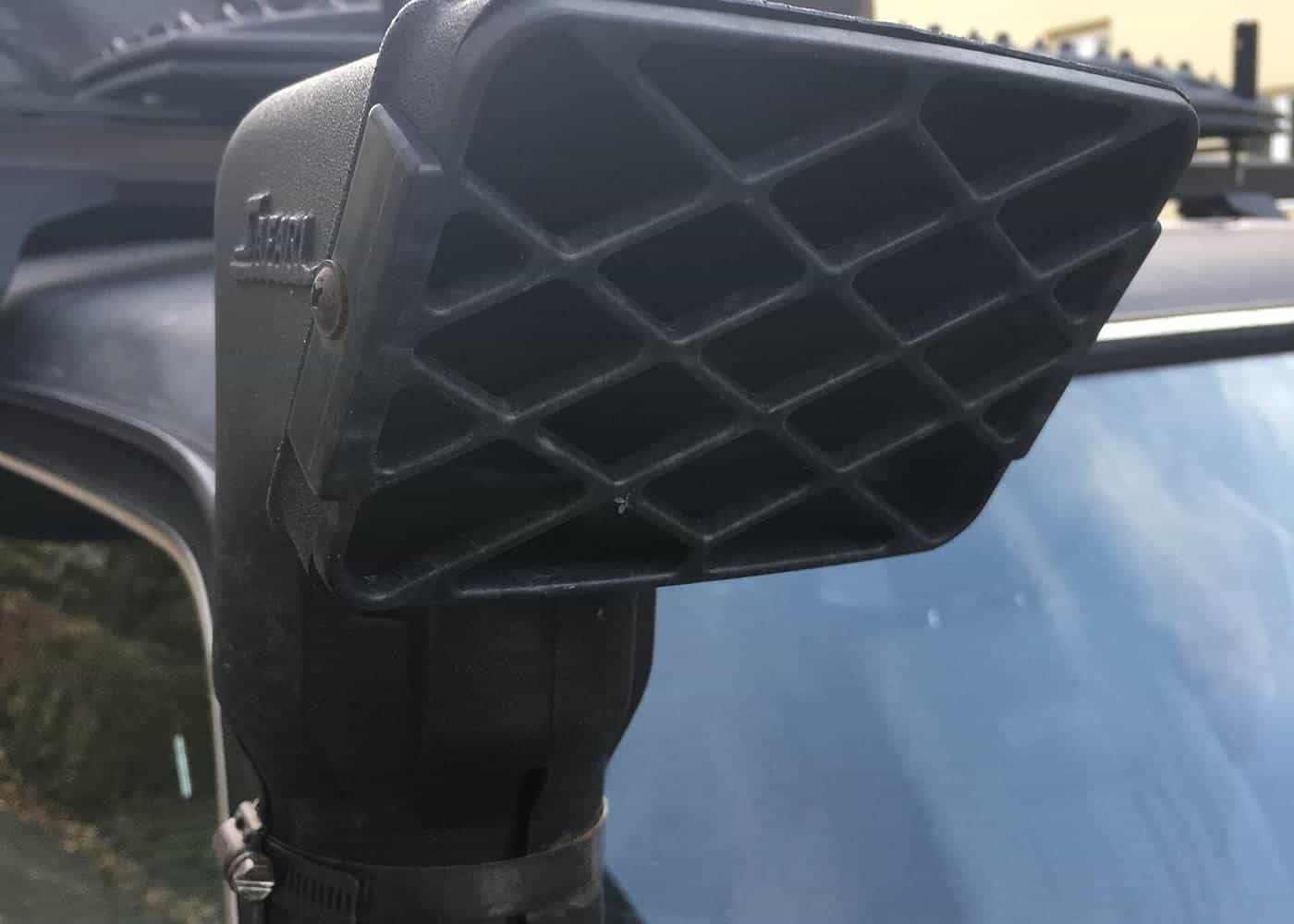
What a snorkel does
An engine needs a steady supply of air. In most vehicles the air intake sits somewhere in the engine bay or behind a wheel arch, relatively low. If water reaches the intake during a crossing, it can be drawn into the engine. Because water can't be compressed, it can cause hydrolock, which can bend connecting rods and destroy the engine.
A snorkel moves the air intake up to around roof height, usually up the A-pillar. This greatly reduces the risk of water entering the intake. It also tends to draw cleaner, cooler air than an intake near the road, which helps on dusty tracks.
What a snorkel doesn't do
A snorkel doesn't raise the vehicle's manufacturer-stated wading depth for everything else. Water can still enter the cabin, damage electrical components and computers, enter the driveline, swamp the alternator and fan, and push the vehicle off course. Warranty may not cover water damage from crossings deeper than the manufacturer's stated wading depth, regardless of a snorkel. Check your owner's manual for your vehicle's wading depth.
Diff and driveline breathers
Differentials, gearboxes and transfer cases contain oil and get hot when driving. As they heat and cool, air moves in and out through small breather vents. If hot components are plunged into cold water, the sudden cooling creates a vacuum that can suck water in through the breathers, contaminating the oil. Breather extensions run hoses from these vents up to a high, protected position, reducing the risk. After water crossings, check oils for milky contamination and change them if needed.
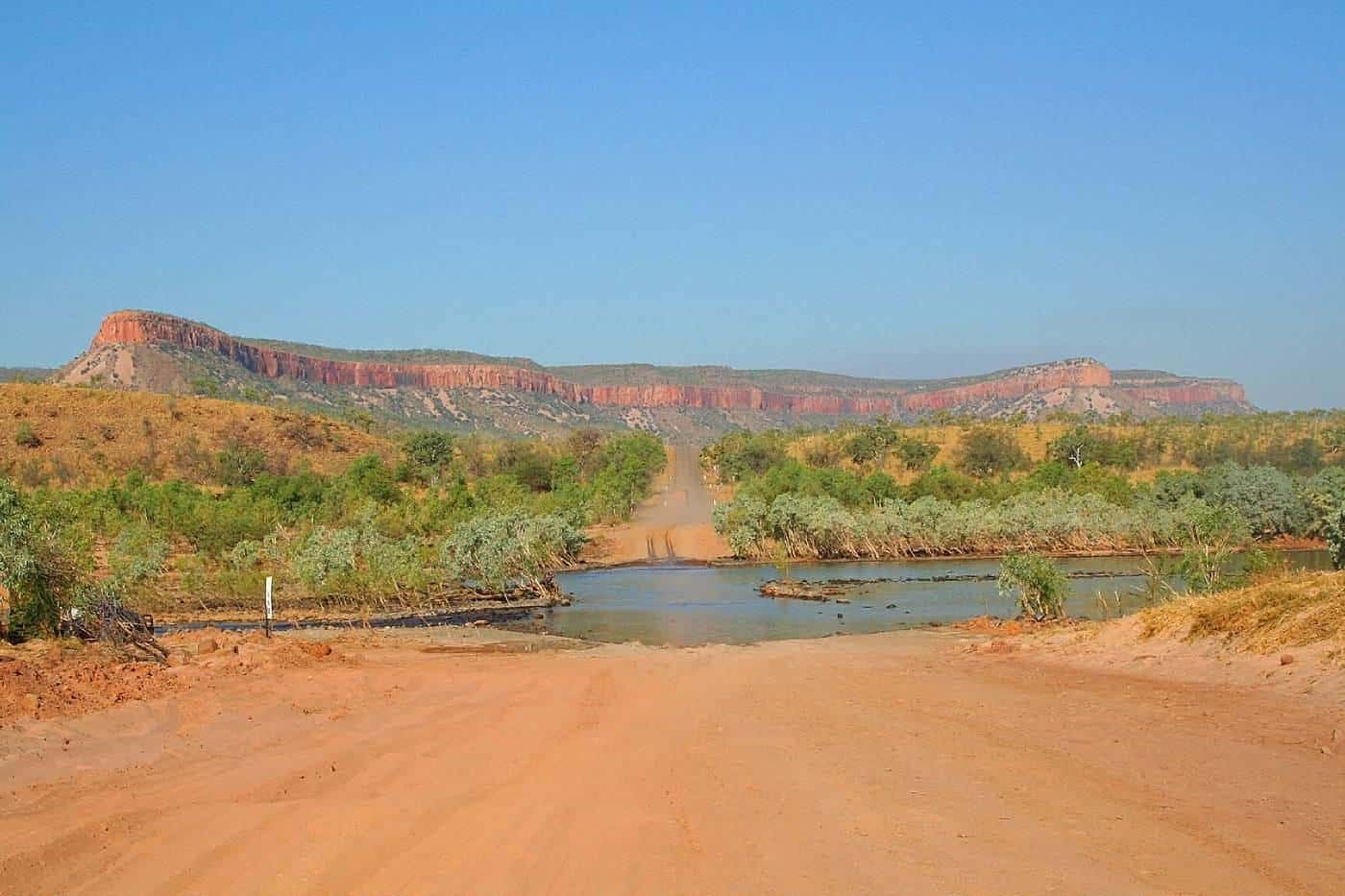
Fitting a snorkel
Snorkels are usually designed for specific vehicle models. Fitting involves cutting holes in the guard and pillar, sealing joints and connecting to the airbox. Poorly sealed joints can let water and dust in, defeating the purpose. Many owners have them fitted professionally. Check that the snorkel doesn't obstruct the driver's vision, and that the installation suits your vehicle's airbags and sensors. After fitting, check joints for leaks and clamps for tightness, and inspect the system periodically.
Water crossings: a safe approach
Never drive into floodwater on roads. Driving into floodwater is a leading cause of flood-related deaths in Australia, and state emergency services repeat the message: if it's flooded, forget it. Water can be deeper and faster than it looks, roads beneath can be washed away, and it takes surprisingly little water to float a vehicle.
For planned crossings on four-wheel-drive tracks:
- Stop and assess. Check depth, current, the entry and exit, and the riverbed. Look for marker posts.
- Walk it if safe. Only where there's no risk from crocodiles, strong current or deep water. In northern Australia, never wade into rivers, creeks or billabongs that may hold crocodiles.
- Wait if unsure. Water levels often drop after rain. Waiting is usually the safest choice.
- Prepare. Engage four-wheel drive and low range, turn off the air conditioning fan if advised, and consider a water blind or tarp over the grille for deeper crossings.
- Cross steadily. Drive at a slow, steady pace to create a small bow wave. Don't stop midstream or change gears.
- After crossing. Dry the brakes by gently applying them, check for water in the cabin and inspect oils and the air filter.
Crocodiles
In northern Australia, estuarine crocodiles live in rivers, creeks, estuaries, billabongs and the sea, sometimes far inland. Never walk crossings in crocodile country, don't clean fish or camp right next to the water, and follow local Crocwise advice.
Saltwater and mud
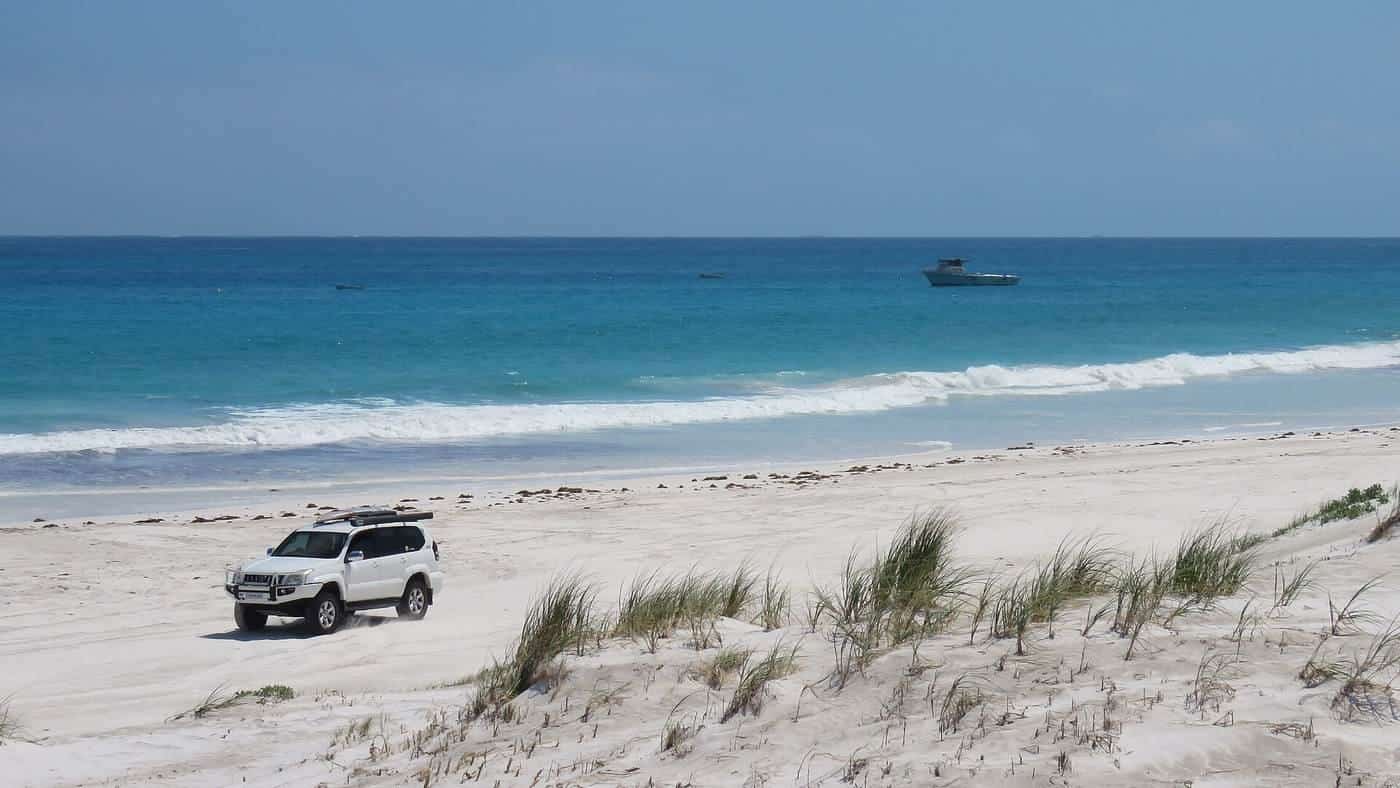
Saltwater crossings and beach driving accelerate corrosion. Rinse the underbody with fresh water after salt exposure, paying attention to brakes, suspension and electrical connectors. Mud can clog radiators and brakes. Clean the vehicle after muddy trips, and check air filters after dusty or wet conditions.
Maintenance
Inspect snorkel joints and clamps, clean the pre-cleaner or ram head, check breather hoses for kinks or damage, and service air filters more often if you travel in dust. Check diff, gearbox and transfer case oils after deep crossings.
Recovery from a drowned engine
If water enters the engine, don't attempt to restart it, as this can cause major damage. Recover the vehicle to dry ground, and have it inspected by a mechanic. Hydrolocked engines can sometimes be saved if they aren't cranked.
Water crossing checklist
0 of 9 done
Ticks are saved in this browser only.
Common mistakes
- Believing a snorkel makes deep water safe.
- Driving into floodwater on roads.
- Crossing too fast and sending water over the bonnet.
- Wading crossings in crocodile country.
- Ignoring milky oil after crossings.
Water blinds and bow waves
A water blind or tarp strapped across the front of the vehicle can help keep water out of the engine bay during deeper crossings by limiting the amount of water pushed into the grille, and helps form a bow wave. Remove it after crossing to avoid overheating. Driving at a steady walking pace creates a small bow wave ahead of the vehicle, lowering the water level around the engine bay. Too much speed pushes water over the bonnet and into the intake, cabin and electrics.
Electrical and cabin considerations
Even with a snorkel, water can damage fuse boxes, computers, alternators, starter motors and cabin electronics, and can enter through door seals and floor plugs. Know where your vehicle's critical electrical components are located.
Checking after the trip
After a trip with water crossings, have a mechanic check wheel bearings, CV joints and brakes, which can be affected by water and mud.
Key points
A snorkel raises the engine air intake and diff breathers protect the driveline from water, but neither makes a vehicle waterproof or increases the manufacturer's wading depth for everything else. Never drive into floodwater, assess crossings carefully, beware of crocodiles and check oils afterwards.
Frequently asked questions
Does a snorkel let me drive through deeper water?
A snorkel raises the engine's air intake, reducing the risk of water entering the engine. It doesn't raise the vehicle's wading depth for electrical components, seals, the cabin or the driveline, so check the manufacturer's wading depth and never assume a snorkel makes deep water safe.
What is hydrolock?
When water is drawn into the engine's cylinders through the air intake. Water can't be compressed, so the engine can suffer severe damage, such as bent connecting rods.
What do diff breathers do?
Differentials, gearboxes and transfer cases have breathers that let air move as they heat and cool. Breather extensions move these vents up high, so water isn't sucked in when hot components are suddenly cooled in water.
Do snorkels help in dust?
A raised intake can draw cleaner air than one near the wheel arch, which is useful on dusty tracks. You still need to check and service the air filter regularly.
Should I drive through floodwater?
No. Never drive into floodwater on roads. It is a leading cause of flood-related deaths in Australia. State emergency services advise "If it's flooded, forget it."
Does fitting a snorkel need approval?
A snorkel is usually considered a minor modification, but it must be fitted properly, not obstruct vision and comply with state rules. Tell your insurer.
Sources and further reading
Facts on this page were checked against these primary and official sources. Conditions change — confirm before you travel or buy.
- If it's flooded, forget it — NSW State Emergency Service
- Hydrolock — Wikipedia
- Four-wheel driving — RACQ
- Crocodile safety — Queensland Government