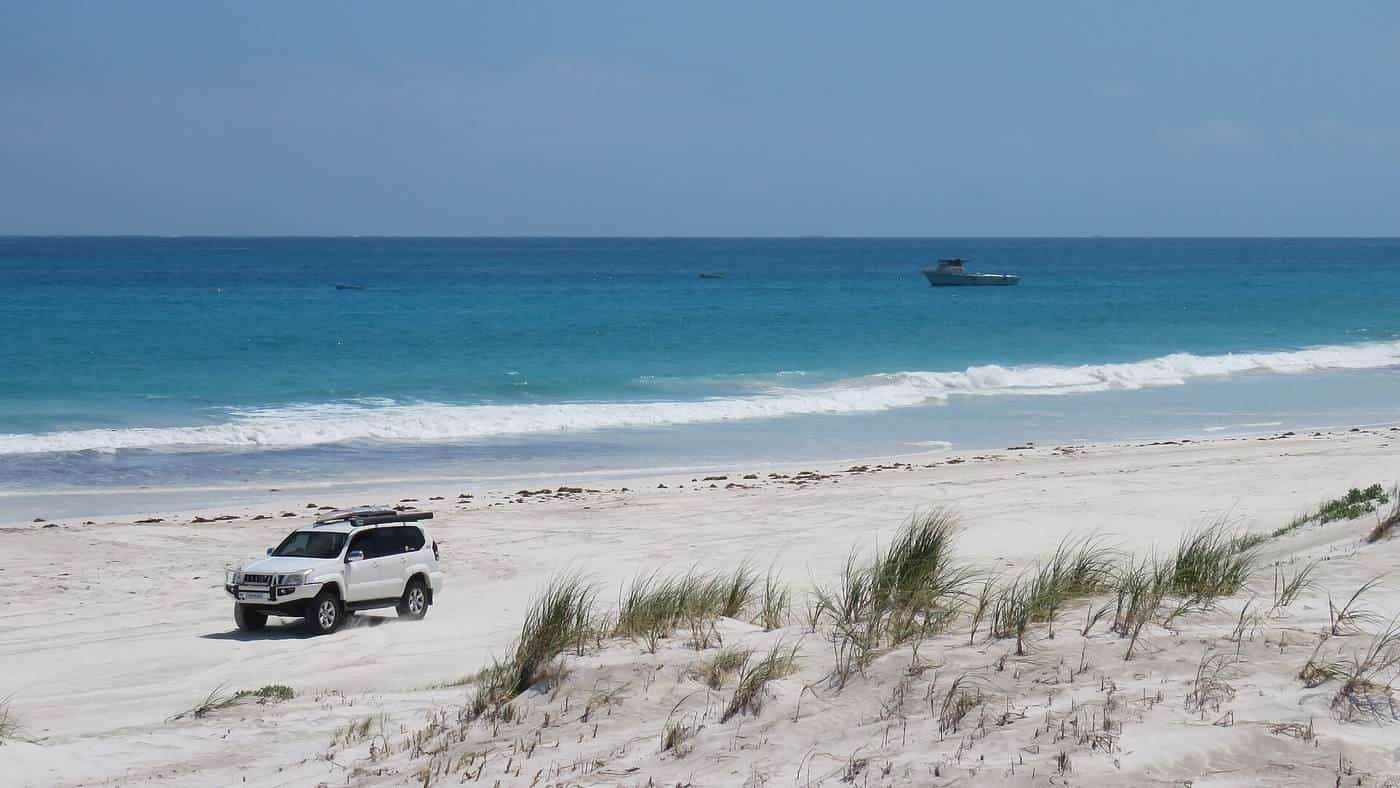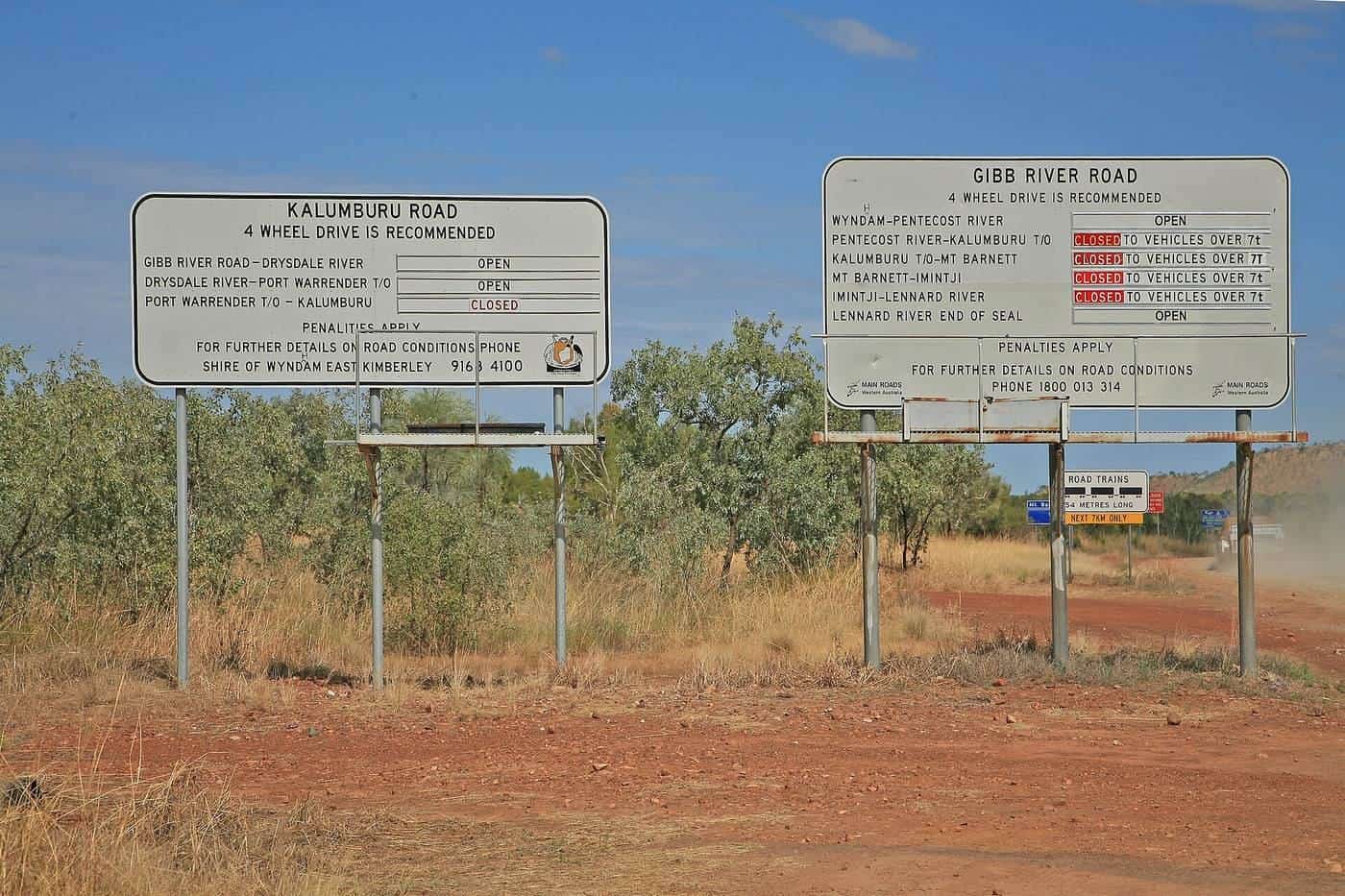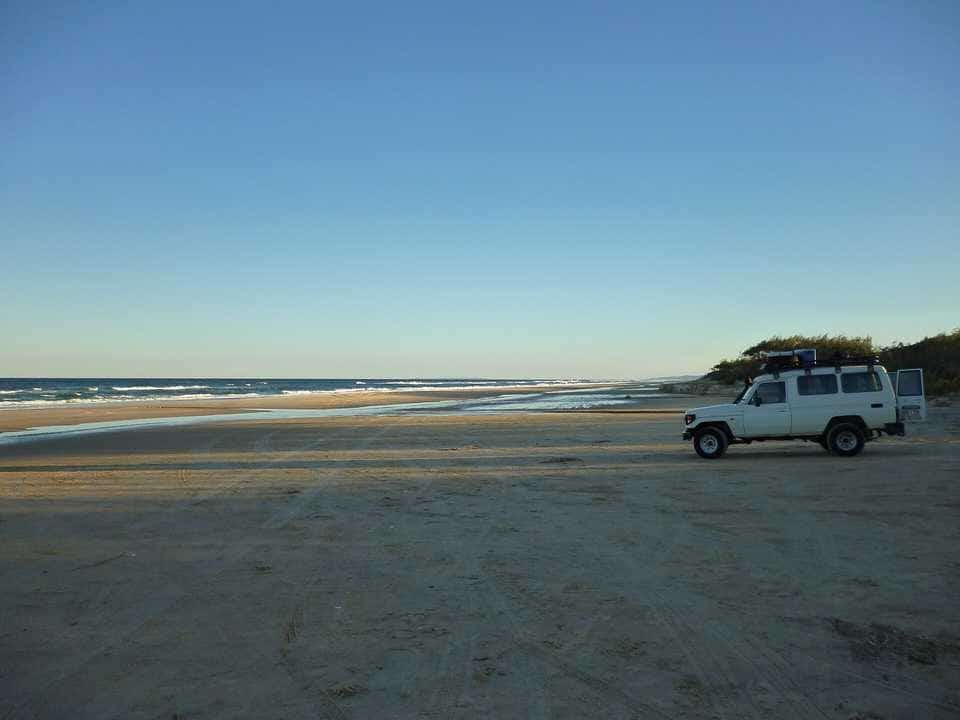
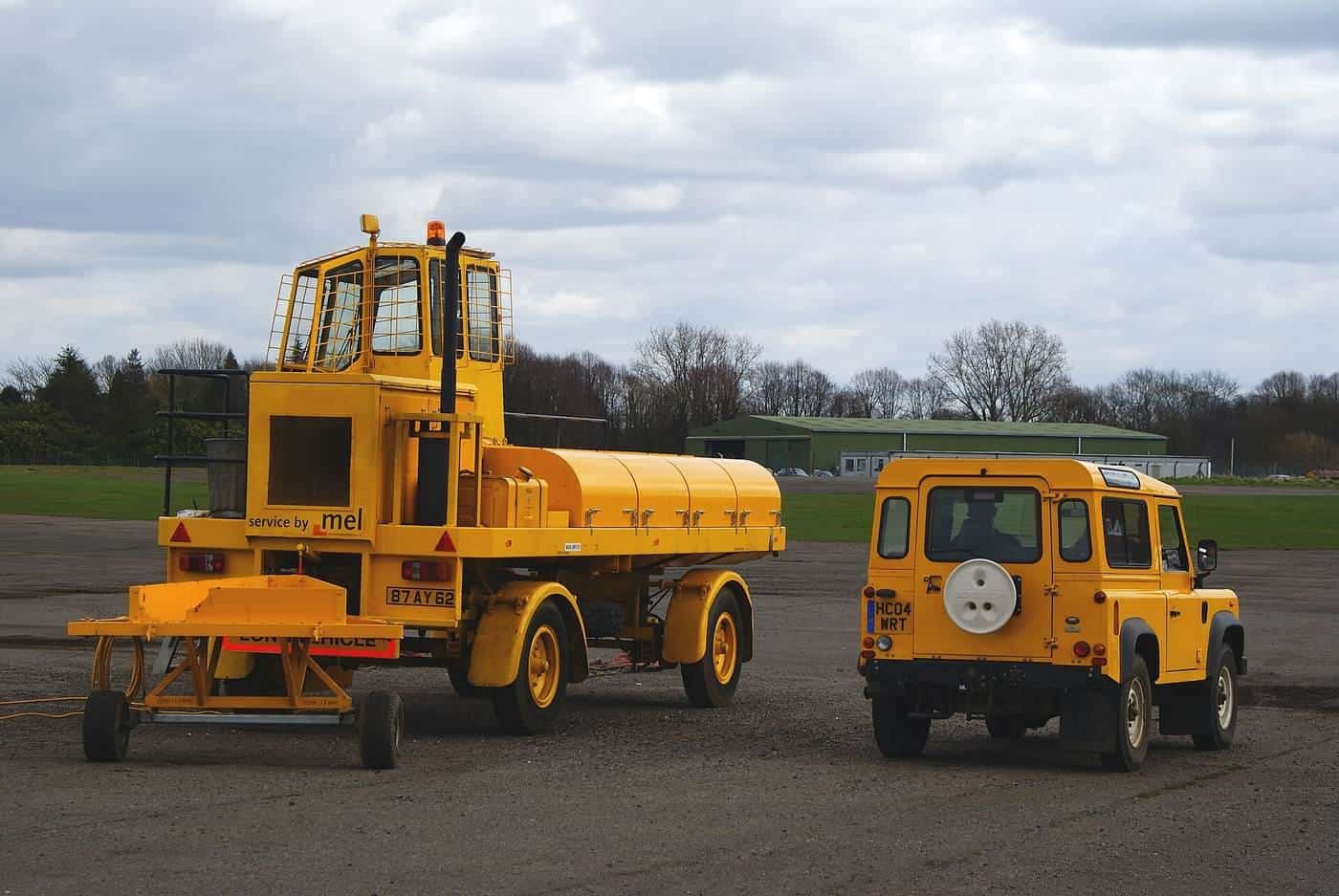
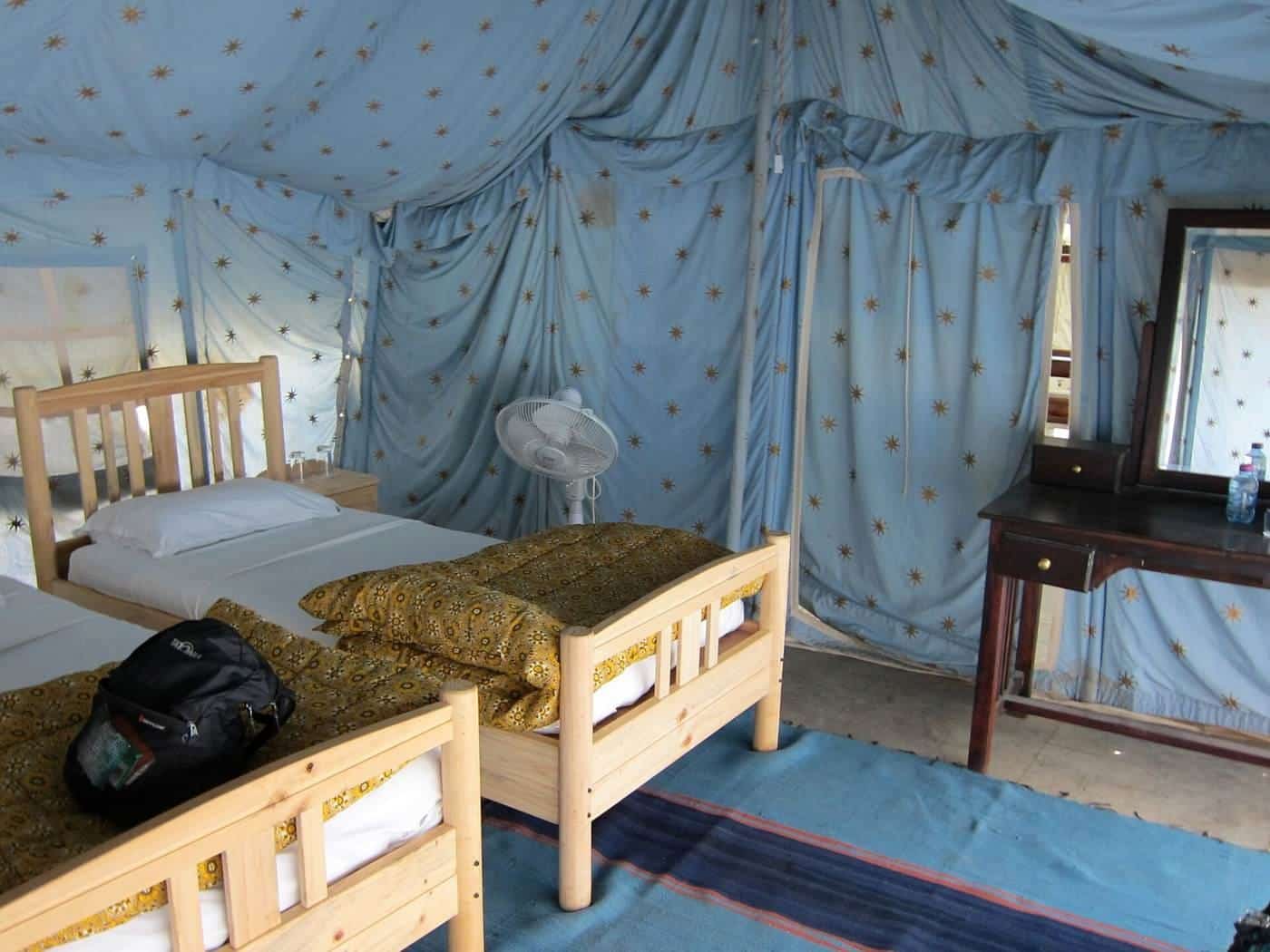
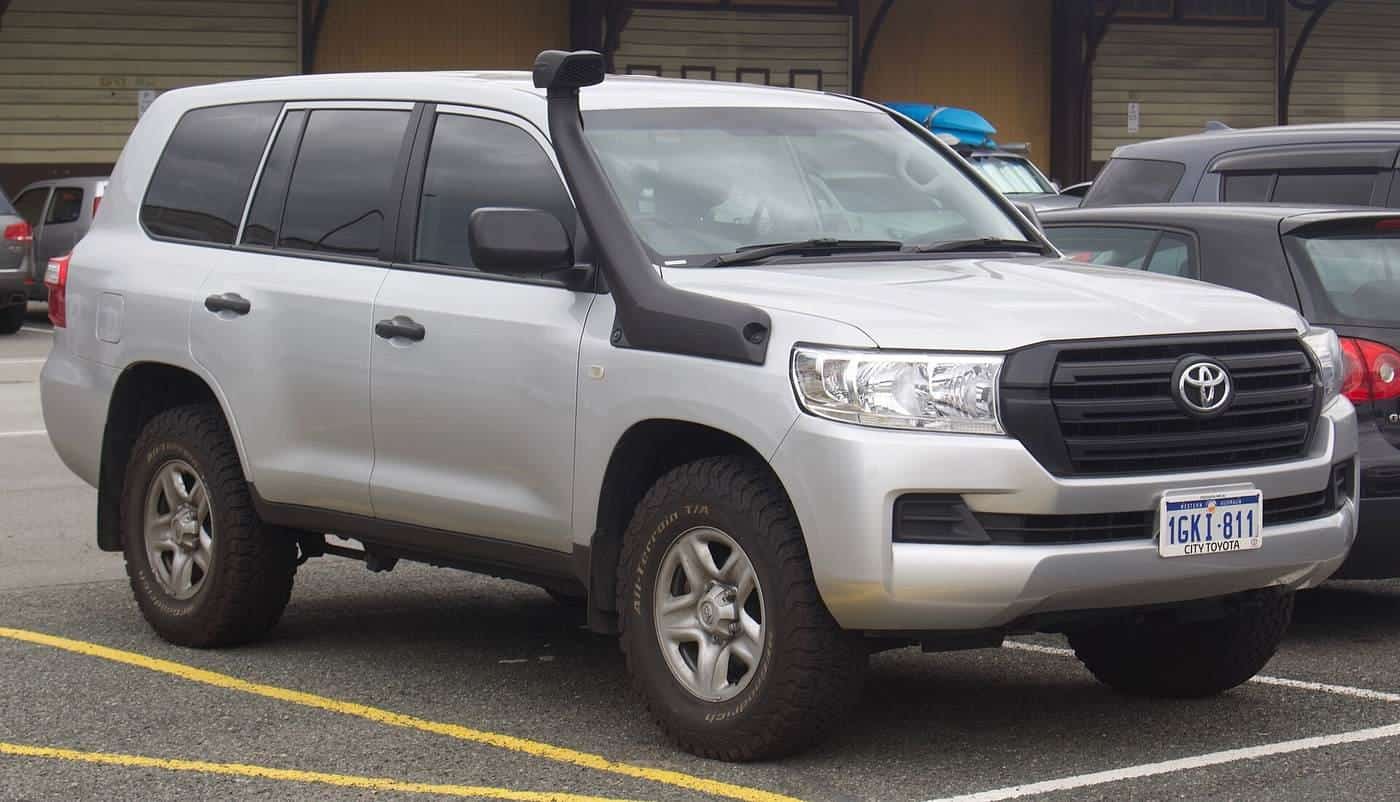
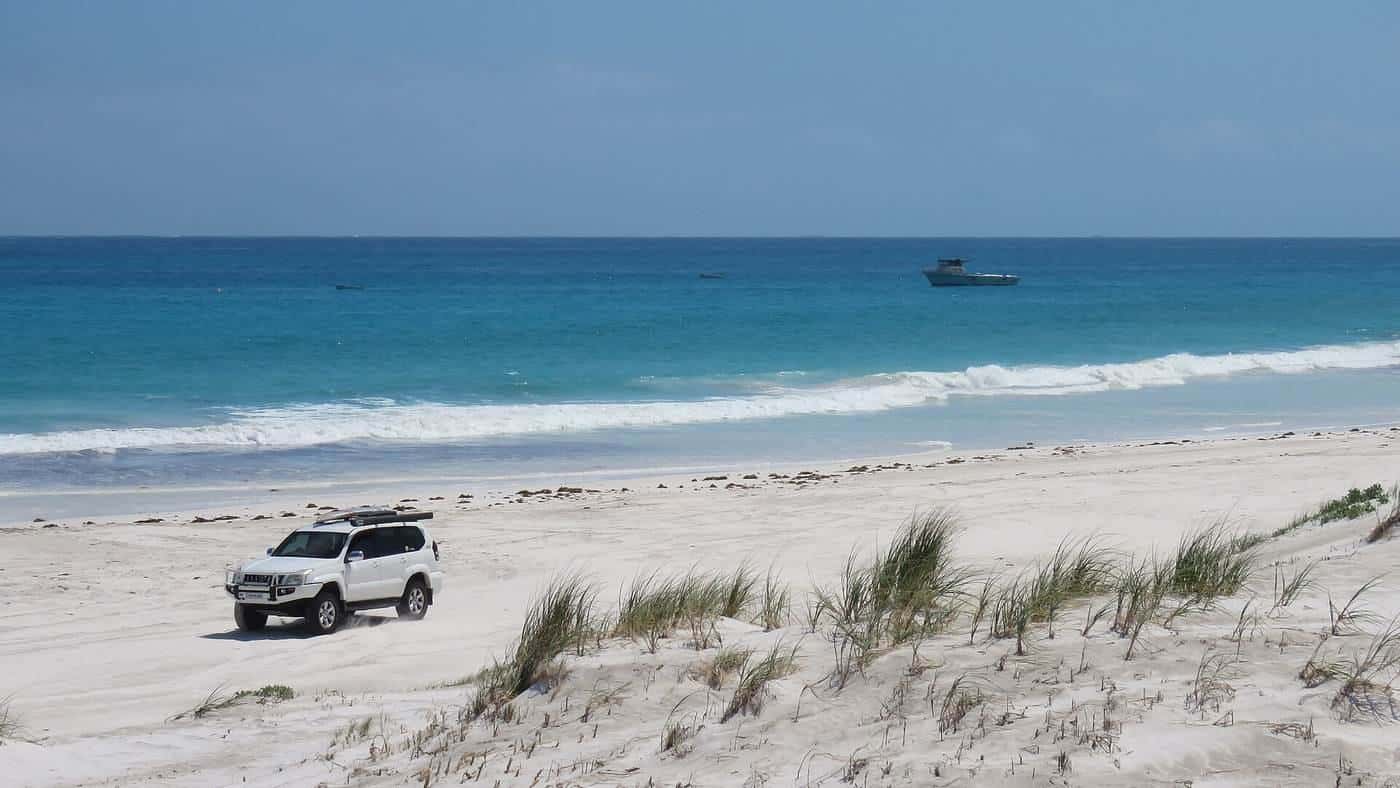
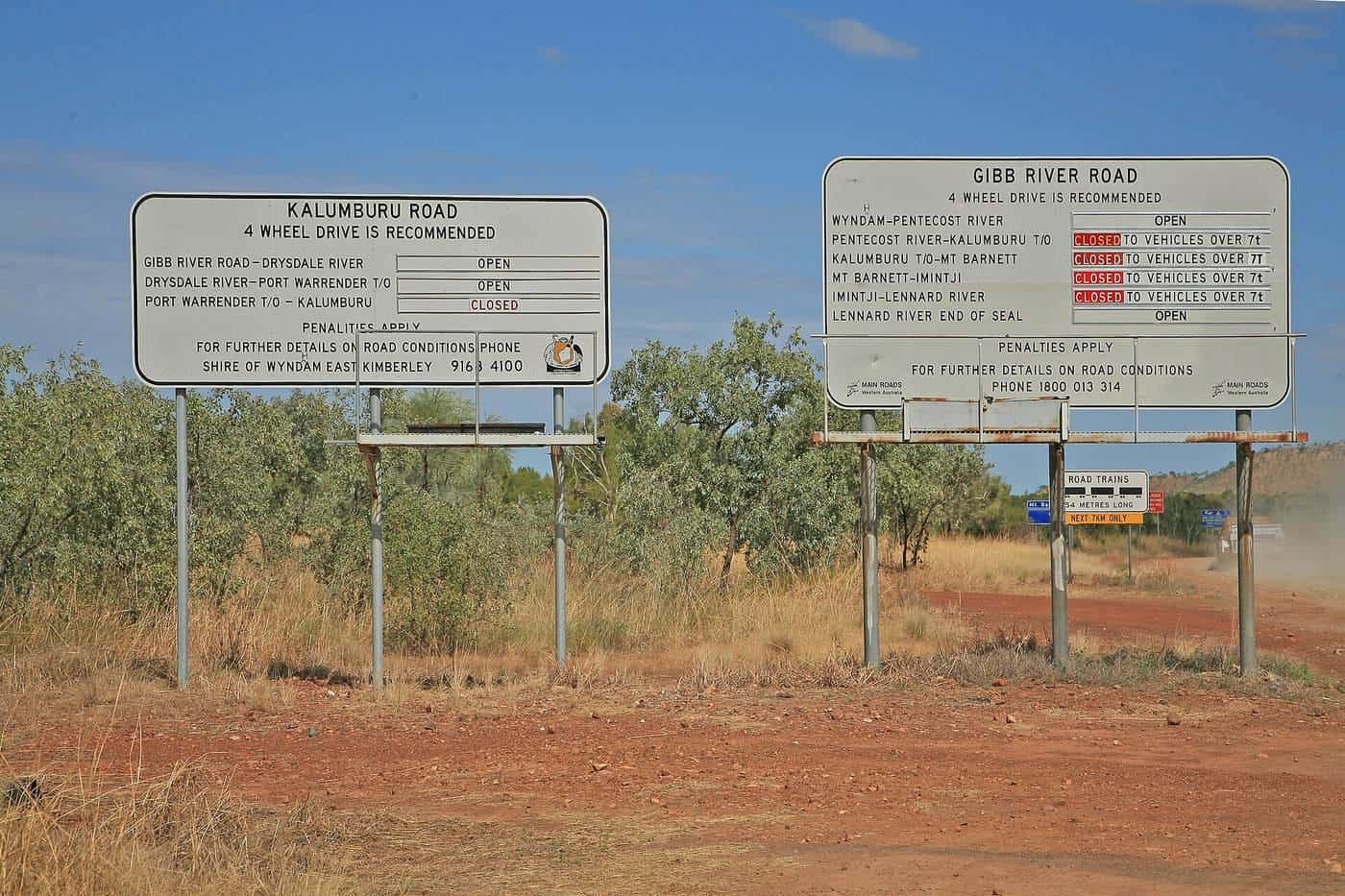
Australia is one of the great four-wheel-driving countries. Beach runs on K'gari and the Western Australian coast, desert crossings, high-country tracks, the Kimberley's Gibb River Road and the long red roads of the outback draw people from around the world. Getting there and back safely depends on the vehicle, the driver's skills and the gear on board.
4WD Supplies Guide is an independent guide to that gear. We explain what recovery equipment you really need and how to use it safely, how to set up a touring vehicle for camping and remote travel, and which vehicle upgrades make sense, including the rules that apply. We don't sell anything, and every guide is based on government, motoring club and park authority sources.
Rated
Recovery points only
Never the towball
VSB 14
National modification code
Basis of state rules
PLB
Emergency beacon
Register free with AMSA
Recovery gear
Every four-wheel driver gets stuck eventually. Our recovery gear section covers recovery kit essentials, snatch straps and kinetic ropes, winching basics and tyre pressures and deflators. The emphasis is on safe technique, rated equipment and avoiding getting stuck in the first place.
Camping and touring
A well-set-up touring vehicle makes remote travel comfortable and self-sufficient. Our camping and touring section explains awnings and rooftop tents, fridges and fridge slides, camp lighting and torches and water and camp showers.
Vehicle setup
From extra batteries to snorkels, upgrades can make a vehicle more capable, but also heavier, thirstier and sometimes illegal. Our vehicle setup section covers dual battery systems, driving lights and light bars, snorkels and diff breathers and suspension lifts and modifications.
Five rules for safe four-wheel driving
- Get trained. An accredited four-wheel-drive and recovery course teaches skills no guide can replace.
- Know your weights. Gear adds up fast. Stay within your vehicle's gross vehicle mass (GVM), axle loads and roof load ratings.
- Use rated gear. Recovery equipment must be rated, matched and in good condition, attached only to rated recovery points.
- Plan and tell someone. Check track and park conditions, closures and permits, carry enough fuel and water, and leave a trip plan with someone at home.
- Stay connected. Carry a UHF radio and a satellite device or personal locator beacon where mobile coverage is patchy.
Planning a trip
Good trips start with planning. Check whether the tracks and parks you want to visit are open, as many close seasonally or after rain. Find out whether you need vehicle access, camping or transit permits, which are required in many national parks, on some beaches and on Aboriginal land. Work out distances between fuel stops and carry enough fuel, water and food for delays. Check the weather and, on beaches, the tides. Use our trip kit planner to build a gear checklist.
Tread lightly
Four-wheel driving brings people into fragile places. Stay on formed tracks, avoid driving on vegetation and dunes outside marked areas, take your rubbish home, use fuel stoves where fires are banned, and respect closures, cultural sites and wildlife. Many tracks stay open because users look after them.
Who this guide is for
We write for new four-wheel-drive owners planning their first beach or bush trip, families setting up for touring, experienced drivers heading somewhere remote, and anyone weighing up gear or modifications. Each guide includes a checklist and common mistakes to avoid.
How we research
We base our guides on state and territory transport agencies, the national vehicle modification code (VSB 14), park authorities, motoring clubs and four-wheel-drive associations, AMSA, the ACMA and manufacturers' published instructions. We never invent load ratings, test results or prices. Read our editorial policy.
About this domain
4wdsupplies.com.au was home to a small online 4WD accessories store from around 2012 to 2018. It was relaunched in 2026 as an independent guide, and every page has been written from scratch. We aren't connected with any previous operator, retailer or brand.
Key points
Get trained, use rated recovery gear on rated points, stay within your vehicle's weight limits, plan trips with permits, fuel and water in mind, carry reliable communications, and make sure modifications are legal and declared to your insurer.