Darkness falls fast in the bush, and away from towns it is properly dark. Good lighting makes camp safer, helping you cook, find your way to the toilet, spot snakes and trip hazards, and deal with problems such as punctures after sunset. It also makes evenings more enjoyable. The best camp lighting is practical, efficient and considerate of other campers and wildlife.
This guide covers personal torches, camp lights, power and insects.
Head torch
Most useful light
Hands-free
Warm light
Fewer insects
Often less attractive to bugs
Backup
Spare light and batteries
Always carry one
Head torches
A head torch is the most useful single light for camping. It leaves both hands free and points light wherever you look. When choosing one, consider:
- Brightness and modes. Useful head torches have several brightness levels, from a low setting for reading and moving around camp to a high setting for distance.
- Red light mode. Red light preserves night vision and is less disturbing to others.
- Beam pattern. A wide flood beam suits close tasks; a focused spot beam reaches further.
- Battery and runtime. Rechargeable head torches are convenient; some also accept standard batteries.
- Comfort and weather resistance. A comfortable strap and water resistance help.
Each person in the group should have their own head torch.
Handheld torches
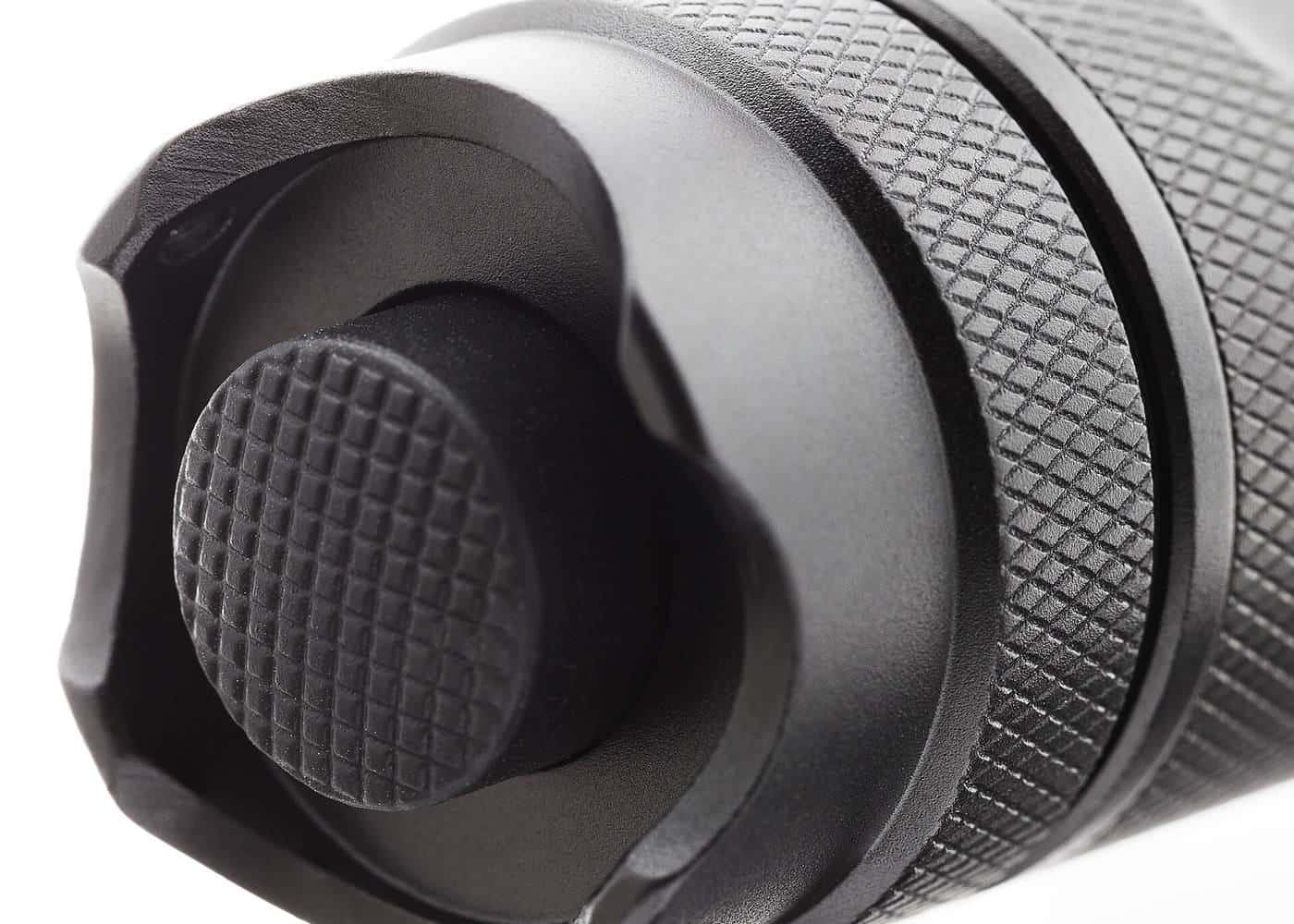
A good handheld torch complements a head torch, particularly for spotting tracks, checking the vehicle, looking for wildlife or signalling. Rugged aluminium torches with rechargeable batteries are popular. Keep one in the vehicle's door or glovebox for roadside emergencies.
Camp lights
Camp lights illuminate a wider area for cooking and relaxing. Common options include:
- LED strip lights, mounted under an awning or along the vehicle, running on 12 volts. They are efficient and give even light.
- Lanterns, battery or rechargeable, which can be hung or placed on a table.
- Vehicle-mounted camp lights, often wired to the auxiliary battery with a switch.
Choose dimmable lights so you can use only the light you need. Warm or amber lighting creates a pleasant atmosphere and attracts fewer insects than bright cool-white light.
Insects and lights
Many flying insects are strongly attracted to light, particularly blue and ultraviolet wavelengths. To reduce insects around your camp:
- use warm or amber lights;
- place a light away from where you are sitting and cooking, to draw insects away;
- switch lights off when not needed;
- keep tents and rooftop tents zipped up, with lights off inside when doors are open.
Power
Most camp lighting runs on 12 volts from an auxiliary battery, or from built-in rechargeable batteries charged by USB. LEDs use very little power compared with older incandescent lights. Wire 12V lights with appropriate fuses and switches, ideally through your dual battery system. See our dual battery systems guide. Carry charging cables and a USB charging point in the vehicle.
Lithium battery safety
Many torches, lanterns and power banks use lithium-ion batteries. They are safe when used correctly, but batteries that are damaged, poorly made, incorrectly charged or exposed to high temperatures can overheat and catch fire. Product Safety Australia advises buying from reputable suppliers, using the correct charger, not charging on flammable surfaces, avoiding extreme heat, and stopping use if a battery swells, overheats or smells. Don't leave lithium devices charging unattended in a hot vehicle, and dispose of damaged batteries through battery recycling programs rather than household rubbish.
Wildlife and dark skies
Artificial light can disturb wildlife, including nocturnal animals, nesting turtles and migratory birds. The national light pollution guidelines for wildlife recommend using light only when and where it's needed, shielding and directing it downwards, keeping it dim and using warmer colours. On turtle-nesting beaches, follow local rules on lights. Keeping lights low also lets you enjoy the outback night sky, one of the best in the world.
Camp etiquette
Point lights down and away from neighbouring camps, turn them off when you go to bed, and avoid shining torches into other campers' faces and tents. Use red light mode when moving around at night.
Emergency lighting
Carry a backup torch that takes common disposable batteries, as well as spare batteries. In a roadside breakdown at night, use your vehicle's hazard lights and, if you have one, a reflective warning triangle. A small light on a cord can help mark the camp toilet or tent guy ropes to prevent trips.
Lighting for safety around camp
Good lighting helps prevent injuries. Light the cooking area well, mark tent guy ropes, pegs and awning legs so people don't trip, and keep a torch beside your bed. Before walking at night, scan the path for snakes, which can be active on warm evenings. Wear closed shoes after dark.
Looking after lights
Charge rechargeable lights before each trip, and check that older lights still hold their charge. Store spare batteries in their packaging or a case so they can't short against metal objects. Remove disposable batteries from lights you won't use for a while, as leaking batteries can ruin them. Keep lights and their charging cables together in one bag so you can find them in the dark.
Camp lighting checklist
0 of 8 done
Ticks are saved in this browser only.
Common mistakes
- Relying only on a phone torch.
- Hanging a bright white light right over the dinner table.
- Charging lithium devices unattended in a hot car.
- Shining torches into other campers' tents.
- No backup light.
Solar and portable lights
Solar-charged lanterns and lights can recharge during the day on the dashboard or a camp table, reducing the load on your auxiliary battery. They are handy as backups and for marking tents. Check charging performance before relying on them, as output varies greatly between products and in cloudy weather.
Lighting for children
Give children their own small head torch or lantern so they feel confident moving around camp after dark, and make sure they know where the toilet and your tent are. Glow sticks or small lights on tent guy ropes help prevent trips.
Lighting the toilet path
At campgrounds, a small light or reflective markers along the path to the toilet help children and adults find their way safely at night.
Key points
Carry a head torch for each person, a handheld torch and dimmable warm camp lights. Place lights away from seating to reduce insects, power them efficiently, handle lithium batteries safely, keep lights low for wildlife and other campers, and always carry a backup.
Frequently asked questions
Why use a head torch?
A head torch leaves both hands free for cooking, setting up camp, changing a tyre or reading, and points light wherever you look. It is the most useful single light for camping.
How bright should a torch be?
Brightness is measured in lumens. Moderate brightness is enough for most camp tasks, while higher outputs help with spotting tracks or wildlife at a distance. More lumens drain batteries faster.
Do warm or orange lights attract fewer insects?
Many insects are drawn more strongly to blue and ultraviolet light, so warm or amber lights are often less attractive to them. Placing a light away from where you sit also helps.
Rechargeable or disposable batteries?
Rechargeable lights are cheaper to run and less wasteful, and can be charged from the vehicle or solar. Carry a backup light that takes common disposable batteries for emergencies.
Are lithium batteries safe?
Lithium batteries are safe when used correctly, but damaged, poorly made or incorrectly charged batteries can overheat and catch fire. Use reputable products and chargers, and don't leave them charging unattended in hot vehicles.
How can I light camp without disturbing others?
Use warm, dimmable lights pointed down, switch off when not needed, avoid shining torches at other campers and keep lighting low in remote and dark-sky areas.
Sources and further reading
Facts on this page were checked against these primary and official sources. Conditions change — confirm before you travel or buy.
- Lithium-ion batteries — Product Safety Australia
- Light pollution and wildlife — DCCEEW
- Lumen — Wikipedia
- Camping safety — Queensland Parks and Wildlife Service